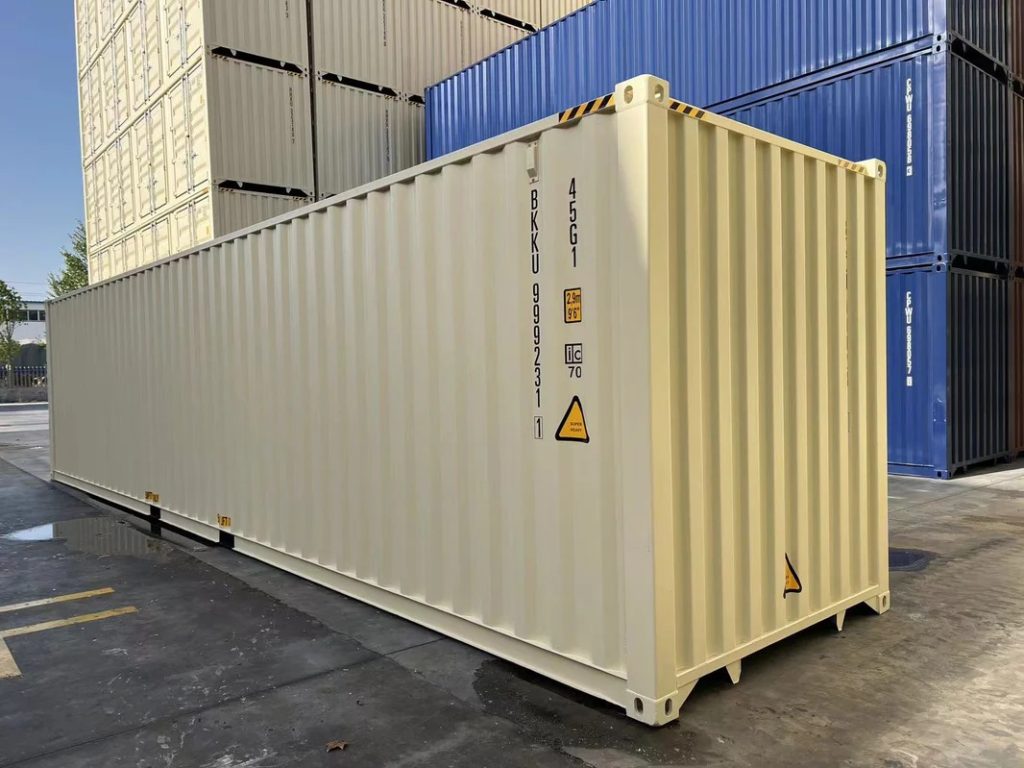
Are You Getting The Most The Use Of Your 20 Foot Container Size?
Understanding the 20 Foot Container Size: Specifications, Uses, and Benefits
When it concerns shipping and logistics, comprehending container sizes can considerably affect storage and transport performance. Amongst the different container sizes readily available in the market, the 20-foot container is among the most popular and commonly used. This blog site post delves into the dimensions, specs, uses, benefits, and regularly asked questions about 20-foot containers.
What is a 20 Foot Container?
A 20-foot container, frequently referred to as a TEU (Twenty-foot Equivalent Unit), is a basic shipping container utilized for transporting products around the world. Its dimensions make it versatile for various kinds of cargo, including palletized goods, vehicles, machinery, and raw products.
Requirements of a 20 Foot Container
The following table details the crucial requirements of a basic 20-foot container:
Dimension
Measurement
External Length
20 ft (6.058 m)
External Width
8 ft (2.438 m)
External Height
8.5 ft (2.591 m)
Internal Length
19.4 ft (5.898 m)
Internal Width
7.7 ft (2.352 m)
Internal Height
7.9 ft (2.385 m)
Maximum Gross Weight
24,000 kg (52,910 lbs)
Tare Weight
2,300 kg (5,071 pounds)
Payload Capacity
21,700 kg (47,851 lbs)
Volume
33.1 cubic meters
Style Variants
There are several style variations of the standard 20-foot container, consisting of:
- Standard Dry Containers: The traditional container developed for general cargo.
- Reefer Containers: Temperature-controlled containers used for perishable items.
- Open Top Containers: Containers with an open roofing system, appropriate for oversized cargo.
- Flat Rack Containers: Used for heavy and bulky items that do not fit in basic containers.
- High Cube Containers: These are somewhat taller than basic containers, providing extra volume.
Uses of a 20 Foot Container
The adaptability of the 20-foot container is one of its standout functions. Here are some common uses:
- International Shipping: The 20-foot container is ideal for carrying items throughout continents.
- Storage: These containers work as protected storage systems for personal belongings or company inventory.
- Modular Construction: Some business utilize 20-foot containers to produce modular buildings or workplaces.
- Mobile Businesses: Entrepreneurs typically convert containers into mobile retail areas or food trucks.
- Event Infrastructure: These containers can be utilized to provide short-lived centers at occasions, including washrooms or storage areas.
Advantages of Using a 20 Foot Container
Going with a 20-foot container has various benefits:
- Cost-Effective: Smaller than larger containers, 20-foot containers can frequently be more economical for services that do not need the capacity of a bigger design.
- Easy Handling: Their manageable size makes them easier to pack, transport, and shop, causing time cost savings at ports and storage facilities.
- Versatile Storage Solutions: The standard dimensions enable the fitting of various cargo types, making them exceptionally versatile.
- Toughness: Shipping containers are constructed to hold up against severe weather condition and impacts, guaranteeing cargo safety throughout transit.
- Availability: They are among the most commonly produced and readily available container types, making them easier to procure.
Common Questions (FAQs)
1. What can fit inside a 20-foot container?
A 20-foot container can usually hold about 10-11 standard pallets or up to 21,700 kg of cargo depending on the type of goods being shipped.
2. Just how much does a 20-foot container weigh?
The tare weight of a standard 20-foot container is around 2,300 kg (5,071 lbs).
3. Are 20-foot containers ideal for moving houses?
Yes, they provide an excellent alternative for transferring a cottage's worth of personal belongings due to their size.
4. How do I secure cargo in a 20-foot container?
Cargo must be secured utilizing straps, dunnage, and pallets to prevent movement throughout transport and make sure safe delivery.
5. Can I lease a 20-foot container?
Many shipping business use rental options, making it easy for companies and people to access containers for short-term use.
6. Are there specific regulations for shipping with 20-foot containers?
Yes, each nation may have particular policies relating to the transportation of goods, consisting of size constraints, weight limits, and paperwork requirements.
A 20-foot container plays a crucial role in international shipping and logistics due to its manageable size and diverse applications. cogcontainersltd is important to think about the requirements, advantages, and uses of 20-foot containers when preparing for shipping or storage needs. As the logistics and shipping market continues to evolve, one can expect that the 20-foot container will keep its relevance and energy in fulfilling the demands of global trade.
Whether you are a service aiming to enhance shipping expenses or a private requiring storage solutions, comprehending the 20-foot container's potential deals considerable advantages. As shipping practices continue to advance, this sized container will stay an essential property for transporting items and services worldwide.